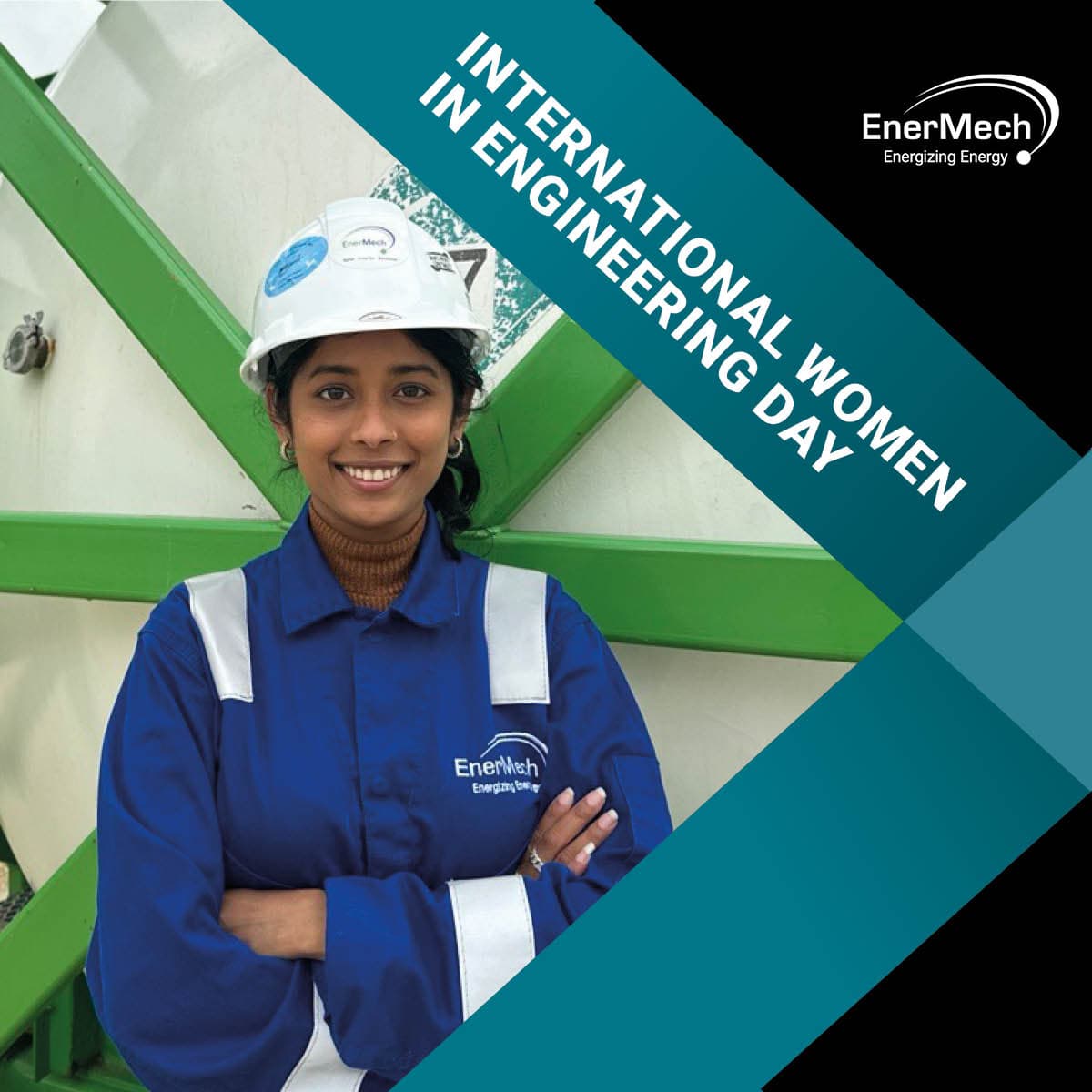
Marking International Women in Engineering Day is about more than recognition – it’s about showcasing the thinking, resilience and innovation shaping the future of our industry every day.
In this Q&A, we hear from Anurojini “Anu” Skanthakumar, part of our Houston team, whose career reflects exactly what this year’s #EngineeringIntelligence theme represents. Her ability to combine technical expertise with practical problem-solving, adaptability, and strong collaboration is evident across the complex projects she supports.
From early motivations to real-world project experience and the lessons she shares with others, Anu offers a grounded, honest perspective on what it takes to grow and succeed in engineering today – and why confidence, curiosity, and continuous learning remain critical at every stage.
Q: What inspired you to pursue a career in engineering, and what continues to motivate you today?
A: I was drawn to engineering because of its problem-solving nature. I think I’ve always naturally been someone who tries to solve problems and look for solutions. Even growing up, whenever friends or family would come to me to vent about something, my instinct was always to try to help them figure out a way forward. That mindset of analyzing situations and trying to improve outcomes is what naturally drew me toward engineering.
What continues to motivate me today is seeing that impact in practice, especially on large-scale energy projects. Being part of teams that bring complex systems from planning through to execution, and knowing your work contributes to something tangible, is incredibly rewarding.
Q: This year’s INWED theme is #EngineeringIntelligence. What does “engineering intelligence” mean to you in your day-to-day work?
A: To me, engineering intelligence goes beyond technical knowledge and calculations - it’s about how you apply that knowledge in real-world situations.
In day-to-day work, that means being able to analyze problems, adapt quickly, and make informed decisions while considering safety, efficiency, and project constraints. It also involves communication – working with different teams, understanding perspectives from operations to management, and ensuring solutions are practical and executable in the field.
Q: Can you share a project or achievement you’re especially proud of as part of the Houston team?
A: Something I’m especially proud to have supported was an LNG project in Canada. It was a great opportunity to contribute within a large-scale and fast-paced project environment while working across both reporting and operational support functions.
A key achievement for me was supporting project reporting while also helping coordinate and deliver temporary wastewater treatment on site. The project environment came with several operational challenges, including weather-related bottlenecks caused by heavy rain and snow conditions, which could impact schedules and site activities. Navigating those challenges reinforced the importance of adaptability, communication, and proactive planning to keep work progressing safely and efficiently.
Being involved in both the technical and coordination side of the project gave me valuable exposure to how large industrial projects are executed and reinforced the importance of collaboration across different teams and disciplines.
Q: What challenges have you faced as a woman in engineering, and how have they shaped your career growth?
A: One of the initial challenges was building confidence in a male dominated environment with people who have significantly more experience, especially in field or project settings.
Over time, I’ve learned that asking questions, staying curious, and being willing to step outside of my comfort zone are key to growth. Those experiences have helped me become more confident in my abilities and more comfortable contributing to discussions and decision-making.
Q: What skills or qualities do you think are most important for the next generation of engineers?
A: Adaptability is one of the most important qualities. Engineering projects are dynamic, and being able to adjust to new challenges, and environments, is essential. Strong communication skills are also critical – being able to clearly convey ideas, collaborate across teams, and bridge technical and operational perspectives.
I had to quickly adapt to being on site at the project straight out of university. Being exposed to a major industrial project environment so early taught me how important it is to stay open to learning, communicate effectively, and be comfortable stepping outside of your comfort zone. Most importantly, always be willing to ask questions and learn from the people around you. That mindset is what truly helps engineers grow and stand out.
Q: What advice would you give to young women considering a career in engineering?
A: Don’t be discouraged if you don’t feel fully confident at the start - confidence comes with experience. Take opportunities even if they feel challenging, ask questions, and surround yourself with people you can learn from. Engineering offers so many different paths, and your career will evolve in ways you may not expect. Staying open to new experiences and trusting your ability to grow makes a big difference.